Many cultures use therapy to help individuals struggling with their mental health, however, the therapeutic methods used vary cross-culturally. In many instances, therapy improves the quality of life of these individuals and ideally therapists help to decrease suicidal ideation.
Who uses therapy? The psychological services available in Turkey tend to be underutilized, but it has been demonstrated that having a positive attitude toward psychological services, having experiences with psychological services, and being female most strongly predicted one’s willingness to seek psychological help (Erkan, Ozbay, Cihangir-Cankaya, & Tezi, 2012).

Stigma against therapy
In Turkey, as compared to the United States, there is a significant stigma against seeking help for emotional problems. In fact, one study found that many Turkish couples and families initially mistrust their counselors (Guvensel et al., 2015). It is, therefore, important to introduce therapeutic interventions slowly. Turkish individuals tend to somaticize their disorders and visit both medical professionals and indigenous healers before considering psychotherapy. Turkish Muslims, in particular, believe illness is sent from Allah and needs to be endured (Devlin, Nasar, & Cubukcu, 2014). It seems that while emotional well-being is considered important in Turkey, more so than in the United States, for instance, treating physical well-being is considered instrumental to improving a person’s emotional well-being (Beaty, 2015).
U.S. Marriage and Family Therapy Approaches in Turkey. A study by Guvensel et al. (2015) examined how effective U.S. marriages and family therapy approaches were in Turkish populations. Interestingly, he found that they were mostly very effective. Specifically, the clinicians reported more commonalities than variances between Turkish and American families (Guvensel et al., 2015). Some differences, however, must be taken into consideration to make therapy most effective. Turkish counselors tend to develop indigenous therapeutic approaches that more accurately reflect the values of Turkish culture (Guvensel et al., 2015), since western models were developed based on clinical experience with Western people. For further information about family therapy in Turkey see Eraslan et al. (2012). For more information on the use of western models of Counseling and Psychotherapy in Turkey, see Mocan-Aydin (2000).
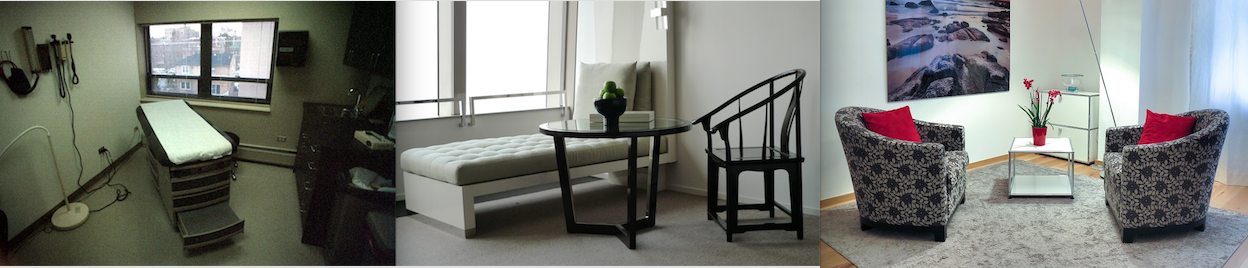
Combating the Stigma against therapy. There are a wide variety of reasons why people may be reluctant to attend therapy sessions. High costs, inconvenience, and negative cultural/social stigmatization are a few. It is important that therapists aim to make their offices a place their patients feel comfortable and welcome in to ensure that their patients have a positive experience and are engaged in the therapy. A study by Devlin et al., (2014) examined students in the United States, Turkey, and Vietnam, and compared their impressions of psychotherapists’ offices and found minimal cross-cultural differences in preference. All participants tended to perceive offices with increased softness/personalization and orderliness to have a better quality of care and comfort.