Relevant Historical Background
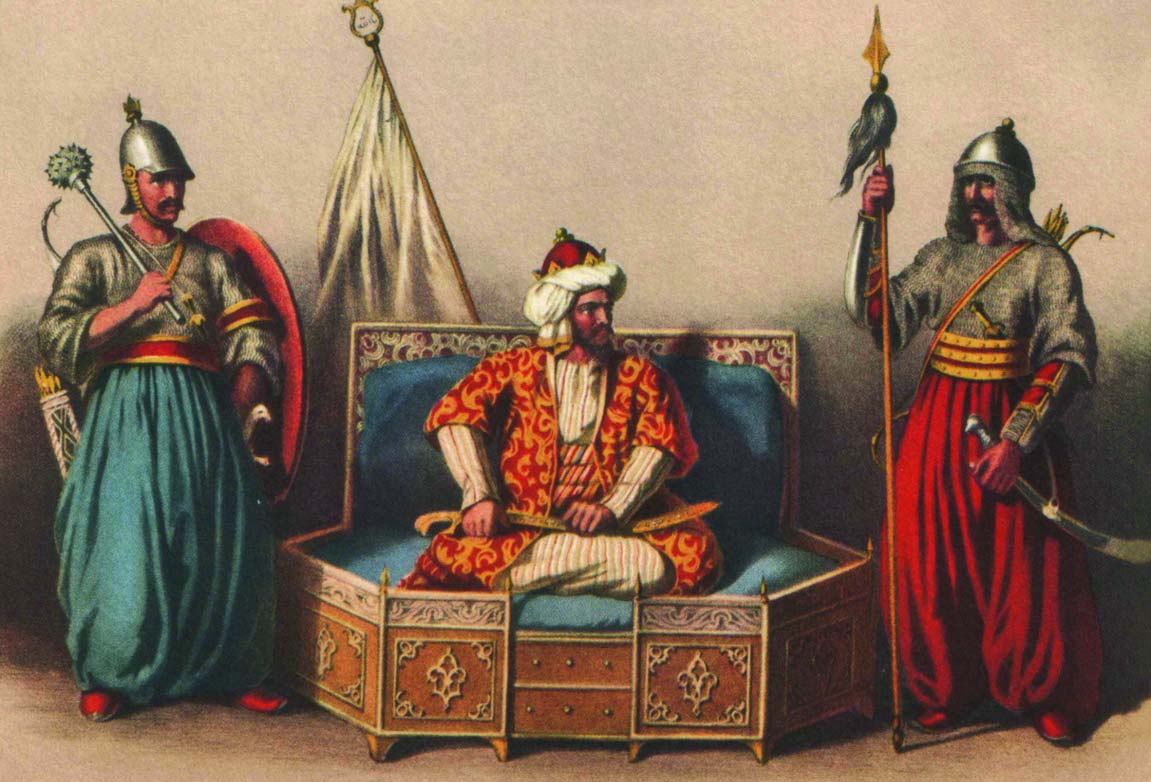
The Ottoman Empire, which preceded the Turkish Republic that was built in 1923, was held together by the belief in Islam. Ruling power over the Ottoman Empire was passed from father to son, women were ordered to wear hijabs, and the official language was Arabic.
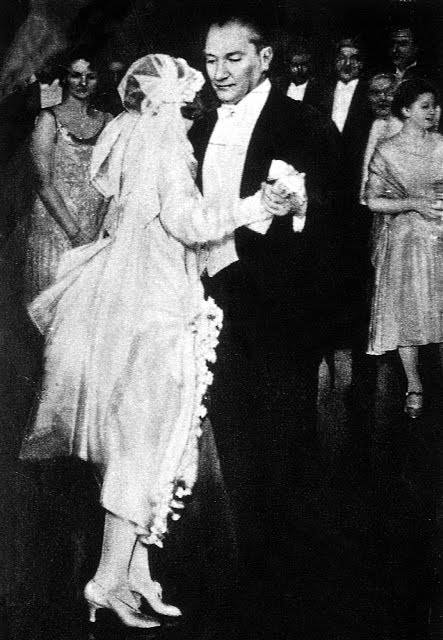
In 1923 at the start of the Turkish Republic, the state’s foundational principles were: “the modernization/Westernization project, authoritarian laicism”(Aras, 34). They aimed to install Western ideals in Turkey. For instance, equal rights for men and women, banning religious based clothing to modernize women’s fashion in particular, the surname law was created, and the international calendar, time, and measurements were adopted. This revolution, which aimed to swipe away the rule of religion, is still at the core of political discourse in Turkey. The clash between the Ottoman Empire, deeply rooted in Islamic values, and the Turkish Republic, founded to create a secular, modern government is still apparent and creates conflict between Turkish individuals.
Hofstede’s Cultural Dimensions
Hofstede’s Cultural Dimensions theory is a framework to explain difficulties in cross-cultural communication and ideally improve cross-cultural communication. The theory typically includes five dimensions along which cultures are analyzed.
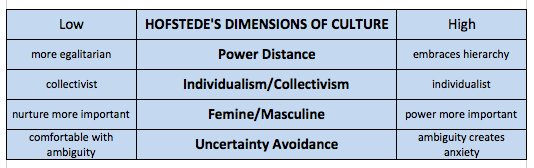
Turkey: Power Distance 66, Individualism 37, Feminine/Masculine 45, and Uncertainty Avoidance, 85.
Compare this to results from the United States: Power Distance 40, Individualism 91, Feminine/Masculine 62, and Uncertainty Avoidance 46.
These cultural characteristics shed light on cultural differences in interpersonal relationships, conflict resolution, social norms, etc. For instance, it has been demonstrated that people from collectivistic cultures like Turkey have less freedom to prioritize individual goals (Gunsoy et al., 2015). It has also been demonstrated that in Turkey, an honor culture, individuals are more concerned by other people’s opinions and find insults more threatening to their own reputation and their family’s reputation (Gunsoy et al., 2015)
Cultural Approaches to Death
An article by Beaty (2015) compares approaches to death between American Christians to Turkish Muslims. One of the most critical differences is that while autonomy is of great concern in U.S., in Turkey decisions about end of life treatment are made with family and physician involvement. This depicts Turkey as a collectivistic culture and the U.S. as an individualistic culture, which was discussed previously on this page (Beaty, 2015). No research has been done about the different views on suicide in collectivistic and individualistic cultures, but it seems possible that in collectivistic societies individuals with suicidal ideation would face a stronger cultural conflict in committing suicide due to the effect it would have on their community.
Beliefs regarding death are deeply intertwined with religious beliefs, which is a prominent consideration in Turkey as 98% of people are Muslim (Beaty, 2015). It seems that Islamic cultures like Turkey, death is the passage from life on earth to life in heaven with god. Death is viewed as a natural part of life and people tend to be more comfortable discussing death than in the United States (Beaty, 2015). It is mostly unclear how these beliefs would translate to cross-cultural differences in suicide, but this would be an interesting route for future research on suicide in Turkey.