Depression is closely tied to suicide and two groups of people in the Turkish population have higher than average rates of depression: medical students and postpartum mothers (Ozdel et al. 2005; Akvardar, Demiral, Ergor, & Ergor, 2004; Danaci, Dinç, Deveci, Sen, & Içelli, 2002).


Staff Sgt. Logan Tuttle
Medical students experience a significant increase in levels of depression and anxiety between their first and last years of medical school (Akvardar et al., 2004). As the pressure and expectations increase over the course of their education, so do their levels of anxiety and depression. There is a generally high rate of depression among medical students, suggesting that this is a population particularly at risk.
Postnatal depression is a period of depression after giving birth. While some mothers may feel down while they are still hospitalized, postnatal depression often occurs later on and is a serious condition. There are many different factors that increase the risk for postnatal depression, including a previous history of depression, stressful life events or economic conditions, a stressful pregnancy or delivery, or an unhealthy baby (Danaci et al., 2002).
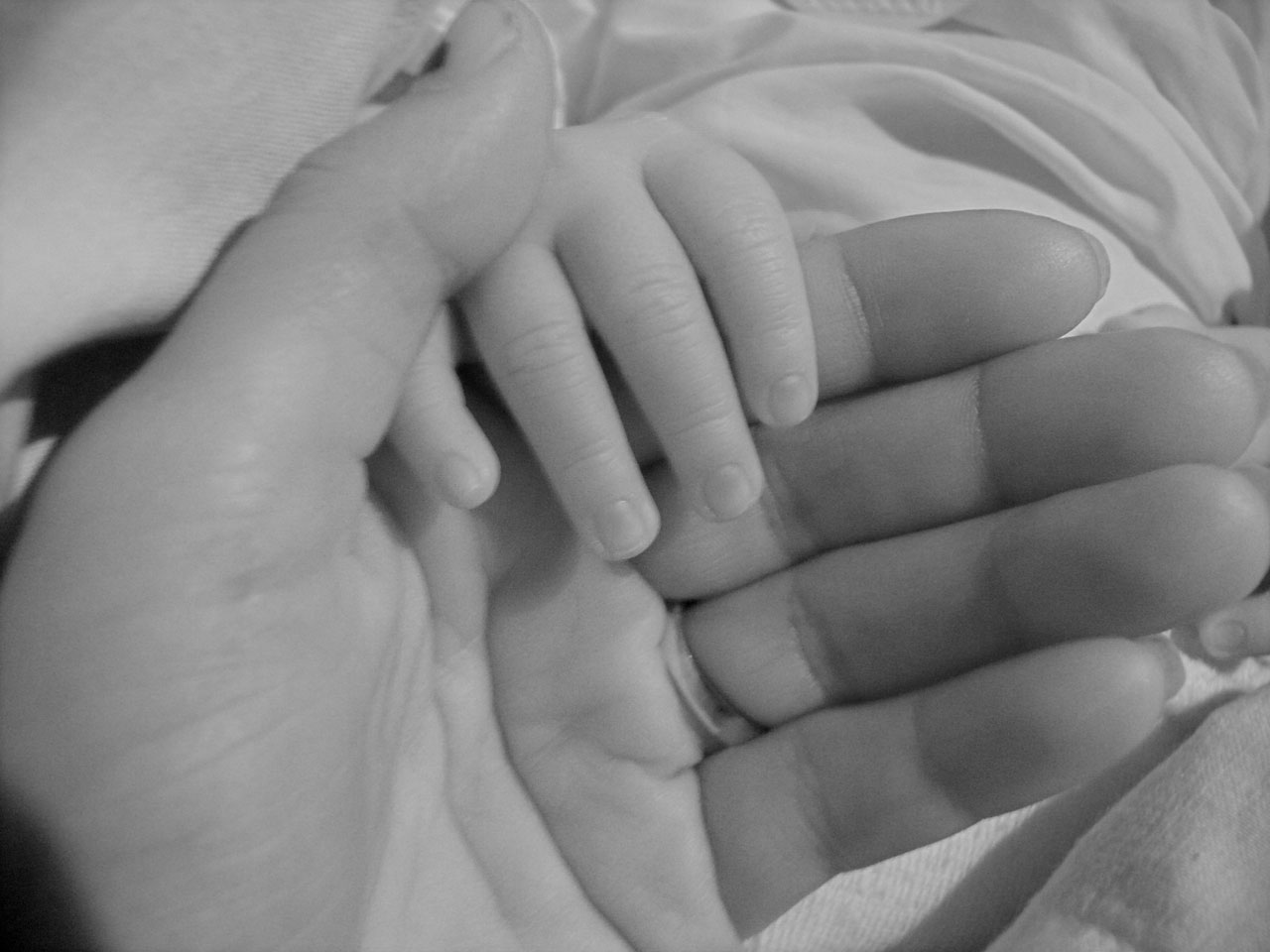
The rate of postnatal depression in Turkey is about 14%, which is similar to the rate in other countries and higher than the general rate of depression in Turkey of 10% (Danaci et al., 2002). The study by Danaci et al. (2002) found that, like in other countries, mothers who are immigrants, who have a history of psychiatric disorders, who have experienced separation from their parents, who have an unhealthy baby, who have higher numbers of children, or who have a tense relationship with their spouse are particularly at risk for postnatal depression. The researchers also found that a bad relationship between the new mother and their in-laws affected the likelihood of postnatal depression, which is a factor that seems unique to Turkey.