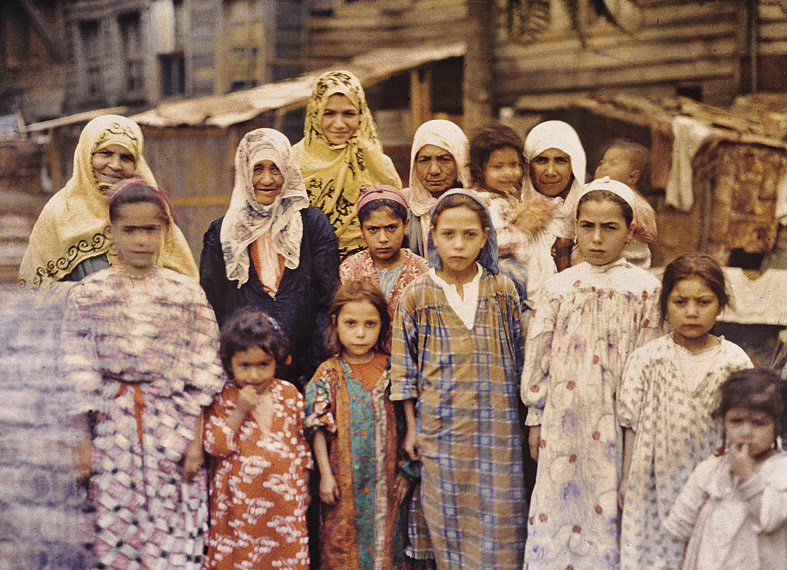

Due to the patriarchal cultural framework in which women exist (see Gender Roles), suicidal causes have been shown to differ between men and women. Female suicides, especially in rural Turkey, have been linked to some of the effects of their subordinate position in society. These effects include low female literacy rates, arranged marriage at a young age, domestic violence, and the inaccessibility of psychological care for women (Coskun 2012). Studies of suicide notes have shown that women are more likely to commit suicide because of interpersonal relationship issues, hopelessness, loneliness, humiliation, negative self-perception, and their limited other available options to deal with stressful situations (Kurtas 2012). Men, on the other hand, demonstrated in suicide notes that their main reasons for suicide included financial issues, weakness, and self-pity (Kurtas 2012). These issues are more closely tied to their position as powerful breadwinners in Turkish society.
Sexual Violence
An important factor behind female suicides is sexual violence and the mental effects that women suffer from post-assault. There is an increased risk of suicide among women who have suffered from dating violence or sexual assault – about 52% of surveyed sexual violence victims reported suicidal ideation, and about 25% had actually attempted suicide. Risk also increased in victims who had suffered abuse multiple times (Unlu 2016). It was also found that women who were abused by their husbands were 3-4 times more likely to consider or attempt suicide (Gungormous 2014). Studies show that 90% of these victims of sexual abuse suffered from at least one psychiatric disorder linked to the abuse, typically depression and/or post-traumatic stress disorder (PTSD), and that these mental disorders contributed to higher rates of suicide among these women (Unlu 2016).
Shame
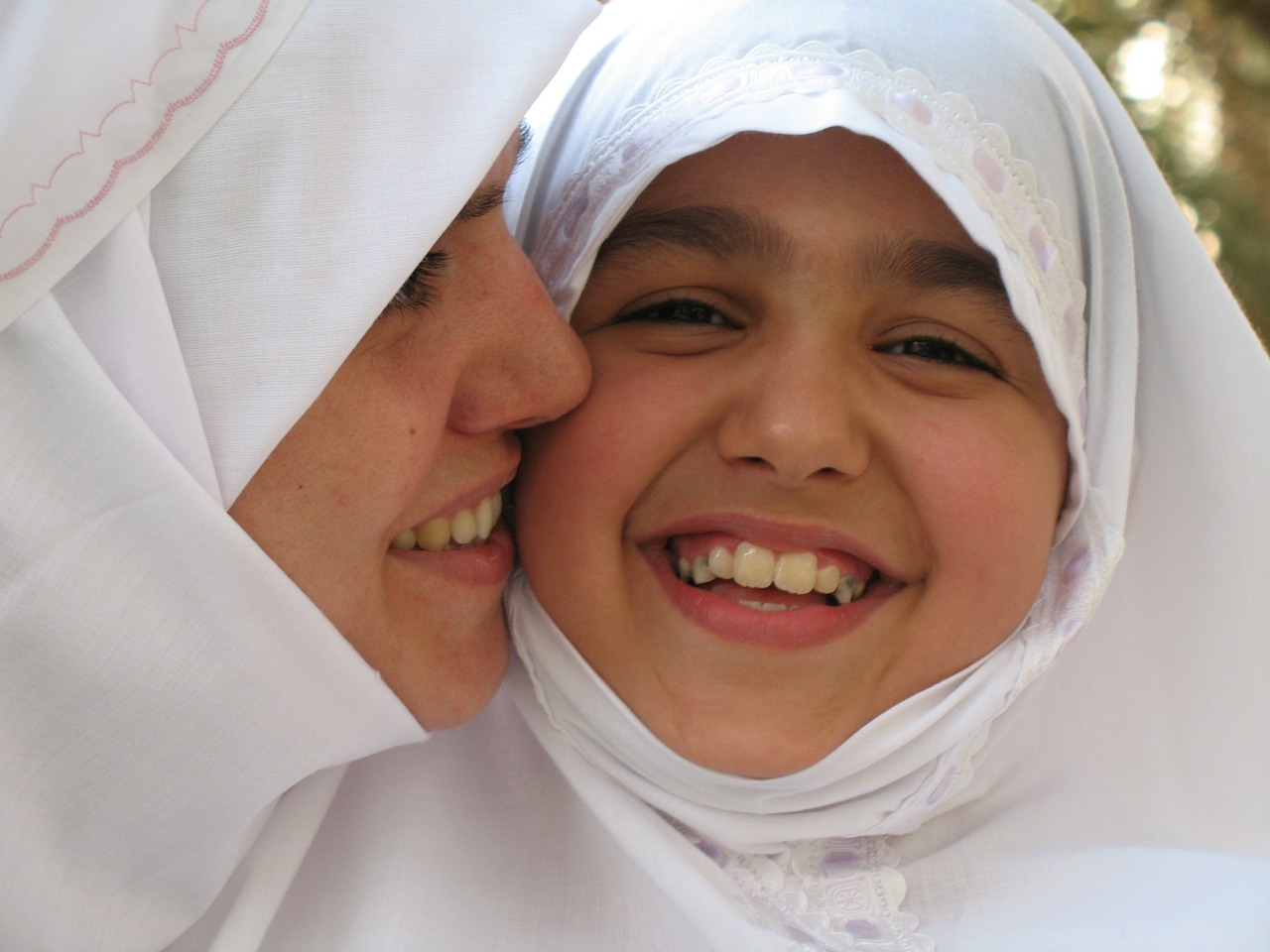
Suicidal inclinations can also be linked to feelings of shame and worthlessness that stem from the societal expectations placed on women (Sari 2016). Psychoanalytic interviews conducted with depressed and shame-prone middle-aged Turkish women demonstrated that their constant striving to fit into their expected gender roles was correlated to poor mental health and risk of suicide. These women reported feeling pressure to be perfect mothers and inadequacy because they were not, and also feeling ashamed of their bodies and sexual desires because of criticism from their husbands and the extreme value Turkish culture places on female chastity (Sari 2016). This shame led these women to think of themselves as unworthy of love and to put the needs of everyone else over their own. According to studies, the fact that these women stopped meeting their individual needs led to them losing their individuality and then centering their identities around serving their families as wives and mothers (Sari 2016). Given that this research was collected through subjective individual interviews, and may be affected by the researcher’s biased perception of what the women’s comments, there may be some flaws in this research. However, its consistency with Turkish cultural attitudes about women and the roles they should play merited its inclusion in this website.