When faced with a large amount of stress and trauma, utilizing healthy coping mechanisms is paramount. In one study, it was found that the use of maladaptive coping strategies was a very strong predictor for the severity of PTSD in Israeli youth, which only provides additional support for the importance of healthy coping strategies (Pat-Horenczyk et al., 2009). In the same study, it was also found that the most commonly used coping strategies by Israeli youth were accepting reality, utilizing distractions, and active coping. Further analysis also suggested that youth exposed to moderate to severe conflict reported using more adaptive and maladaptive coping strategies than those with no exposure, which only increases their risk of developing further symptoms. Other coping mechanisms, such as psychic numbing, may be beneficial in the short term, as it allows an individual to minimize their fear and sorrow in dangerous times. However, if it persists in the long term, it may become dysfunctional, leading the adolescent to be mistrustful, unable to form or maintain healthy, intimate relationships (Solomon & Lavi, 2005).
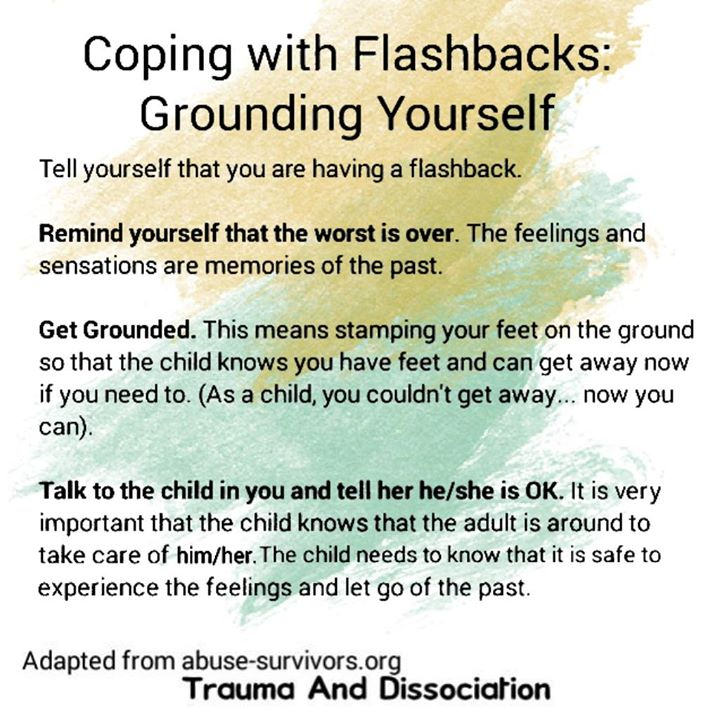
Source – https://goo.gl/YFhnhv
To maximize effective coping, it is often best to expand on protective factors. On a communal level, having familial support systems, positive parenting, and parents with good mental health all aid in a child’s adaptive coping. On an individual level, helping the adolescent build up self-esteem can also encourage healthier coping behaviors. In the wake of disaster or trauma, monitoring of the child, providing social support and family cohesion can all reduce the risk of further distress.
The following are among the most commonly utilized adaptive coping strategies (Dubow et al., 2012):
- Disengagement – actively distancing from a stressor, or seeking distractions such as social support
- Adapting the problem – proactively searching for a solution
- Acceptance of the problem
In certain instances, it may be necessary to seek professional help, where a combination of psychotherapy and medication may be used to treat the target issues.