Political conflict in the form of war and other violence often deals long-lasting trauma to societies across many domains, from economy, to infrastructure, to loss of life. Recovery can be a slow process, and often times national identities and attitudes can shift as a result. The same change occurs in individuals who may be traumatized or otherwise deeply affected.
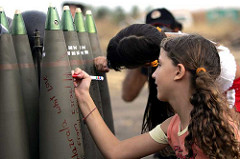
Source – https://goo.gl/bV2uXo
However, it is important to recognize that youth are especially vulnerable to being affected by such conflict. Adolescence is a crucial period for cognitive, social, and physical development, and traumatic experiences may disrupt normal development process, thus leading to other psychiatric, neurocognitive, and psychosocial consequences (Rosshandler et al., 2016). PTSD, or Post-traumatic stress disorder, is one such health issue that has become prevalent in Israeli youth as a result of the conflict. Other forms of distress, such as pessimism for the future and functional impairment, have also been documented (Pat-Horenczykit et al., 2009). Therefore, it is ever so important we take time to analyze the effects the conflict has had on youth in an effort to minimize any damage.
Click here for more information on PTSD.
Click here for more information on Parenting.