Part of the reason conflict has such a huge impact on the psyché of the Israeli people is due to their mandatory conscription policy. At the age of 18, every young person in Israel is required to serve 2-3 years in the Israeli Defence forces. Through this policy, every single member of the population has direct and significant contact with national patterns of contact. Although most Israelis never see or are involved in combat, their time in training and working in the defense forces has a significant impact on their psychological status. Below are some examples of where research seeks to analyze the impact of mandatory military service on psychological outcomes of the population.
Source – Israel Defense Forces
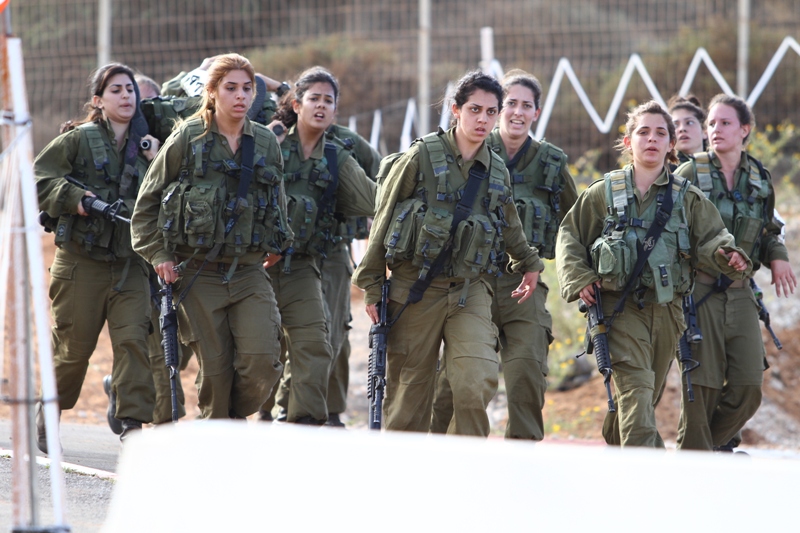
Mandatory conscription yields higher rates of female presence in the military compared to non-mandatory service militaries. This fact has yielded interesting research into masculine/feminine dynamics within the country. In her paper “Our Best Boys”, Uta Klein argues that “military discourse is the main agent in shaping gender relations in Israeli society” (Klein, 1999). Klein examines the so-called “Siege Mentality” which provides justification for socialist unity and defense over individual liberties or equalities. This mentality paints those who question it as traitors of the state and social outcasts. Ambiguities and uneasy feelings are quelled, which silences the voices of both men and women to a certain degree. These feeling are well manifested in public behavior and opinion manifested by and for the military. Even though females are required to serve, they are asked to invoke masculine tendencies aimed at supporting the defense effort.
Source – Israel Defense Forces
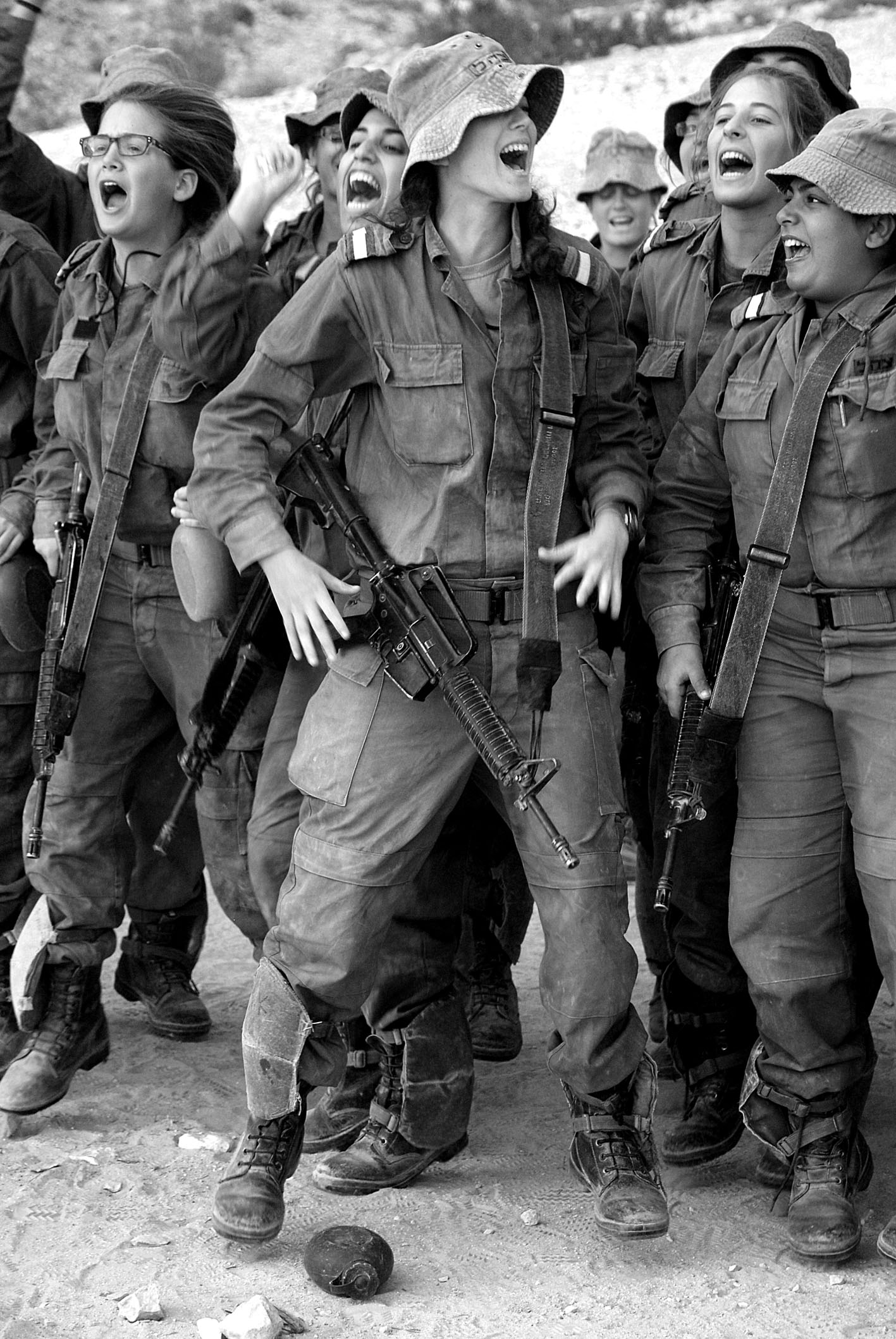
Ephrat Huss and Julie Cwikel of the Ben Gurion University of the Negev provide a helpful grounding in how the stress of gender relations affects the psychological health of women serving in the military. They studied coping mechanisms of enlisted women in reaction to the stressors of their compulsory service. The research concluded that coping resources relied on were primarily relational (Huss & Cwikel, 2014). Servicewomen relied on familial ties and friends’ support rather than support offered through the army itself. Their reliance on relational sources of support was different from men’s style of coping. This difference was found to be beneficial, in that it was stronger than support men received, and detrimental, in that it was a more vulnerable behavior.
References can be found on our reference page